
What is Qi Gong?
Qi Gong (pronounced “Chi Kung”) is a traditional Chinese practice that combines physical movement, breath control, and meditation to cultivate and balance the body’s vital energy, known as “Qi” or “Chi.” Rooted in ancient Chinese philosophy and medicine, Qi Gong aims to enhance health, vitality, and spiritual development.
Learning Qi Gong in Ireland
Qi Gong (Chi Kung) training in Ireland can be undertaken through in-person classes, workshops, or online courses. Qualified instructors guide students through the foundational principles, techniques, and progressive practices of Qi Gong. Online courses offer the flexibility to learn at your own pace and from the comfort of your home, making this ancient practice accessible to a global audience.

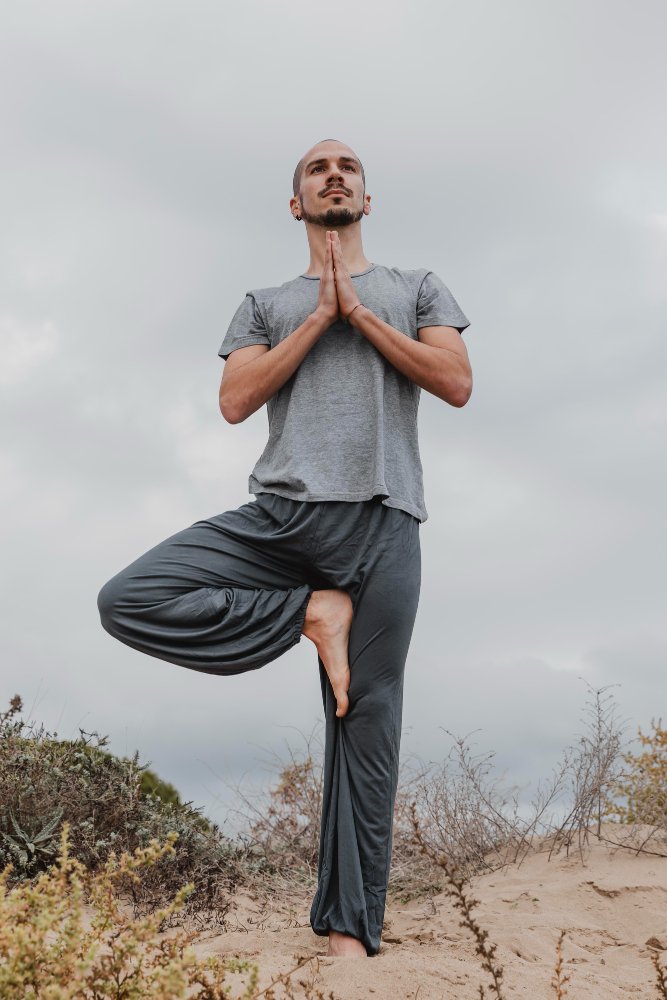
Key Components of Qi Gong Training in Ireland
Physical Movements: Qi (Chi Kung) Gong involves a series of gentle, flowing movements designed to improve flexibility, strength, and balance. These movements can range from simple stretches to more complex postures and sequences.
Breathing Techniques: Breath control is a fundamental aspect of Qi Gong (Chi Kung). Practitioners learn to synchronise their breath with their movements, using slow, deep breathing to enhance the flow of Qi and calm the mind.
Meditation and Mindfulness: Qi Gong incorporates meditative practices that promote mental clarity, focus, and relaxation. This aspect helps in developing a heightened awareness of the body and its energy.
Energy Cultivation: The ultimate goal of Qi Gong is to cultivate and balance Qi within the body. This involves visualisation techniques and the mindful direction of energy through specific pathways known as meridians.
Benefits of Qi Gong Training
- Improved Physical Health: Regular practice of Qi Gong (Chi Kung) can enhance physical strength, flexibility, and coordination. It is also known to improve cardiovascular health, boost the immune system, and aid in the recovery from illness or injury.
- Stress Reduction: The meditative and breath-focused aspects of Qi Gong help reduce stress, anxiety, and depression, promoting overall mental well-being.
- Enhanced Energy and Vitality: By cultivating Qi, practitioners often experience increased energy levels, vitality, and a greater sense of overall well-being.
- Spiritual Growth: For many, Qi Gong is also a spiritual practice that fosters a deeper connection with oneself and the surrounding world, promoting inner peace and harmony.
What is Nei Gong?
Nei Gong, which translates to “internal work,” is a comprehensive system of exercises and practices designed to cultivate internal energy (Qi) and promote overall physical, mental, and spiritual well-being. It is a key component of traditional Chinese martial arts and healing arts, and it encompasses a wide range of techniques aimed at developing and harmonising the body’s internal energy.
Learning Nei Gong in Ireland
Nei Gong training is a holistic practice that integrates breathing, meditation, physical movement, and energy cultivation to promote comprehensive health and well-being. It offers profound benefits for both the body and mind, making it a valuable practice for individuals seeking to enhance their quality of life.
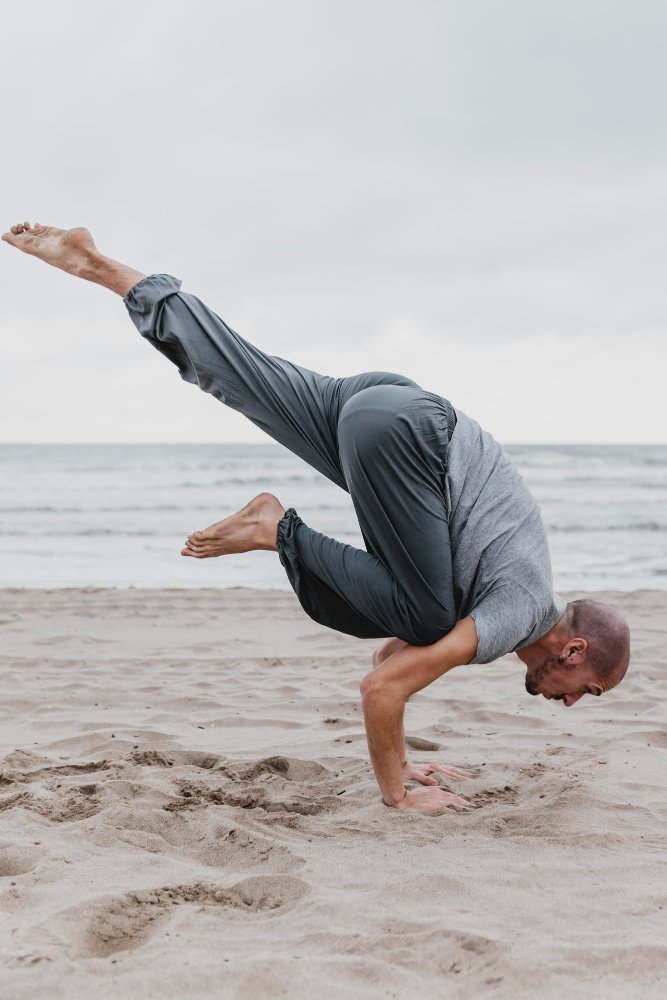

Core Components of Nei Gong Training in Ireland
-
Breathing Techniques: Proper breathing is fundamental in Nei Gong, as it helps to regulate the flow of Qi throughout the body. Techniques often involve deep, slow, and controlled breathing patterns to enhance energy circulation and balance.
-
Meditation: Meditation practices in Nei Gong are used to calm the mind, increase focus, and deepen the connection between the mind and body. Meditation helps in achieving a state of inner peace and heightened awareness.
-
Physical Exercises: Nei Gong includes a variety of slow, deliberate movements and postures designed to stretch, strengthen, and align the body. These exercises improve flexibility, balance, and coordination.
-
Energy Cultivation: Through specific practices, practitioners learn to sense, cultivate, and direct Qi within their bodies. This may involve visualisation techniques, intention setting, and the use of specific energy pathways (meridians).
-
Mind-Body Integration: A significant aspect of Nei Gong is the harmonious integration of the mind and body. This unity enhances overall health, performance in martial arts, and daily life activities.
Benefits of Nei Gong Training
- Enhanced Energy Levels: By cultivating Qi, practitioners experience increased vitality and stamina.
- Stress Reduction: The meditative and breathing techniques promote relaxation and reduce stress.
- Improved Physical Health: Regular practice strengthens muscles, improves posture, and increases flexibility.
- Mental Clarity and Focus: Meditation and mindful movement enhance concentration and mental clarity.
- Emotional Balance: Nei Gong helps in balancing emotions and fostering a sense of inner peace.
Foundations of Daoist Internal Arts

FAQs
1. What is the purpose of the practice?
The purpose of this practice is to cultivate, balance, and harmonise the body’s energy through a combination of gentle movements, breathing techniques, and meditation. It is designed to improve both physical and mental health, promoting a sense of inner peace and well-being. The practice encourages the free flow of energy, which can support the body’s natural healing processes, reduce stress, and increase vitality. Ultimately, it seeks to enhance the connection between the mind, body, and spirit.
2. Who is this practice suitable for?
This practice is highly adaptable and suitable for people of all ages, fitness levels, and backgrounds. Whether you’re new to energy-based practices or have prior experience, the techniques can be customised to suit individual needs. It is particularly beneficial for those looking to improve their overall health, increase flexibility, reduce stress, or explore meditative movement. Because it is low-impact, it is also suitable for those recovering from injury or managing chronic health conditions.
3. What are the benefits of this practice?
The benefits of this practice are both physical and mental. Physically, it can enhance strength, flexibility, coordination, and balance. It promotes improved circulation, boosts the immune system, and helps with pain relief, especially in areas like the back, shoulders, and neck. Mentally, it encourages relaxation, reduces anxiety, and improves focus and clarity. Emotionally, it can lead to greater resilience, emotional balance, and a heightened sense of peace and well-being. Regular practice can also increase energy levels and promote a longer, healthier life.
4. How long does it take to see results?
The timeline for experiencing results varies from person to person. Some individuals may feel an immediate sense of relaxation and mental clarity after the first few sessions. However, more significant benefits, such as improved physical health, increased energy, and emotional balance, tend to develop gradually over time. Consistent practice over weeks and months often leads to deeper and more sustained improvements in both body and mind. As with any practice, the more you commit to it, the more profound the benefits become.
5. What should I wear during a session?
It is best to wear loose, comfortable clothing that allows for a full range of motion. This practice involves gentle stretching and flowing movements, so you want to ensure that your clothes are not restrictive. There is no need for any special equipment, such as mats or weights, making it an easily accessible form of exercise. Comfortable, flat shoes or bare feet are usually recommended to help with grounding and balance during the session.
6. Do I need prior experience to participate?
No prior experience is necessary to join these sessions. The practice is designed to be accessible for beginners, as well as for those who have more advanced experience with energy work or meditative movement. Instructors provide guidance and modifications to help each participant move at their own pace, making it an inclusive practice where everyone can participate and benefit, regardless of skill level or experience.
7. How frequently should I attend sessions?
The frequency of attendance depends on your personal goals and schedule. Ideally, attending sessions once or twice a week will allow you to see consistent progress and maintain the flow of energy in your body. However, even attending less frequently can provide benefits, especially for those with a busy lifestyle. Regular practice leads to the best results, as the effects of the movements and breathing techniques build upon each other over time, leading to sustained physical and mental benefits.
8. Can this practice help with stress management?
Yes, this practice is especially effective for managing stress. The combination of slow, mindful movements, deep breathing, and meditation encourages relaxation and reduces the body’s stress response. By focusing on the present moment and calming the mind, participants often experience a reduction in anxiety and a greater sense of peace. The techniques learned during sessions can be used outside of class in daily life, helping to manage stress and maintain emotional balance even in challenging situations. The practice offers a holistic approach to stress management, supporting long-term mental and emotional resilience.