
Effective Cupping Therapy
Cupping therapy, an ancient form of alternative medicine, involves placing cups on the skin to create suction. This technique is believed to promote healing by increasing blood flow, reducing muscle tension, and enhancing overall circulation.
For effective cupping therapy, it’s crucial to consult with a trained and experienced practitioner who can properly assess your needs and apply the cups safely.
The therapy sessions typically last between 5 to 20 minutes, during which cups may be moved around or left in place. While generally considered safe when performed correctly, it’s important for individuals to discuss any underlying health conditions with their practitioner to avoid any adverse effects.
Our Cupping Therapist
Freya Sherlock is a professional practitioner of Chinese Medicine and a renowned cupping therapist based in West Cork, Ireland. Freya provides cupping therapy in Cork as a beneficial alternative medicine technique, which involves placing cups on the skin to create suction, promoting healing by increasing blood flow and reducing muscle tension. Freya’s therapy sessions aim to offer relief from chronic pain, enhance circulation, and induce relaxation, making them suitable for various health needs.

Benefits of Cupping Therapy
Pain Relief
Many people turn to cupping therapy to alleviate chronic pain, particularly in the back, neck, and shoulders. The suction from the cups is believed to promote deep-tissue healing by increasing blood flow to the affected areas, which can reduce stiffness and improve overall mobility.
Improved Circulation
The suction effect of cupping is thought to enhance blood circulation, which helps in nourishing cells and reducing muscle tension. Improved circulation can also expedite the removal of toxins and promote cell repair, which may enhance recovery from physical exertion and injuries.
Relaxation
Cupping can have a therapeutic, massage-like effect that triggers the parasympathetic nervous system, leading to a deep relaxation state. This can help reduce stress, promote sleep, and improve overall well-being by lowering stress-related hormones like cortisol.
Benefits of Cupping
Cupping therapy, increasingly popular in alternative medicine, is known for its effectiveness in treating ailments by creating suction on the skin with cups. It traditionally boosts circulation, relieves pain, and detoxifies body tissues.
Although research is ongoing, studies indicate it may reduce chronic pain, particularly in the back and neck, and help with conditions like fibromyalgia. Results can vary, often depending on the cupping therapist’s skill and techniques. As with any alternative treatment, it’s advisable to consult healthcare professionals to ensure it’s suitable for individual health needs.
Book Your Cupping Therapy Session Today!
Experience the healing benefits of cupping therapy with an experienced cupping therapist! Whether you’re dealing with chronic pain, seeking improved circulation, or simply looking for relaxation, our expert practitioners are here to help. Book your session today and take the first step towards a more balanced and healthier lifestyle. Don’t wait—discover how cupping can enhance your well-being now!
How does cupping therapy looks like?
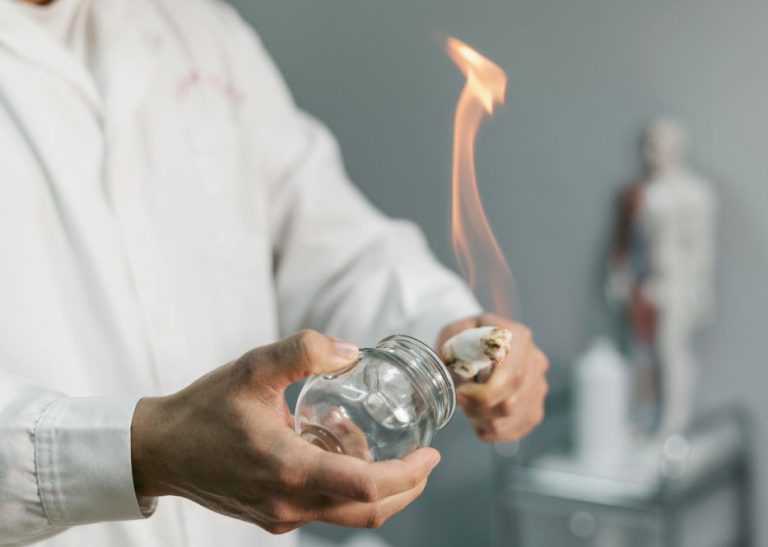
Throughout the session, the therapist maintains clear communication with the client to ensure their comfort and to explain each step of the process. A cupping therapy session typically involves the following steps:
Preparation: The therapist prepares the room, ensuring a clean and calm environment. Soft music and dim lighting may be used to create a relaxing atmosphere. The client is asked to remove clothing from the area to be treated and lies down comfortably, often on a massage table.
Selection of Cups: The therapist selects the appropriate type and size of cups. Cups can be made from various materials such as glass, bamboo, silicone, or plastic.
Application of Cups:
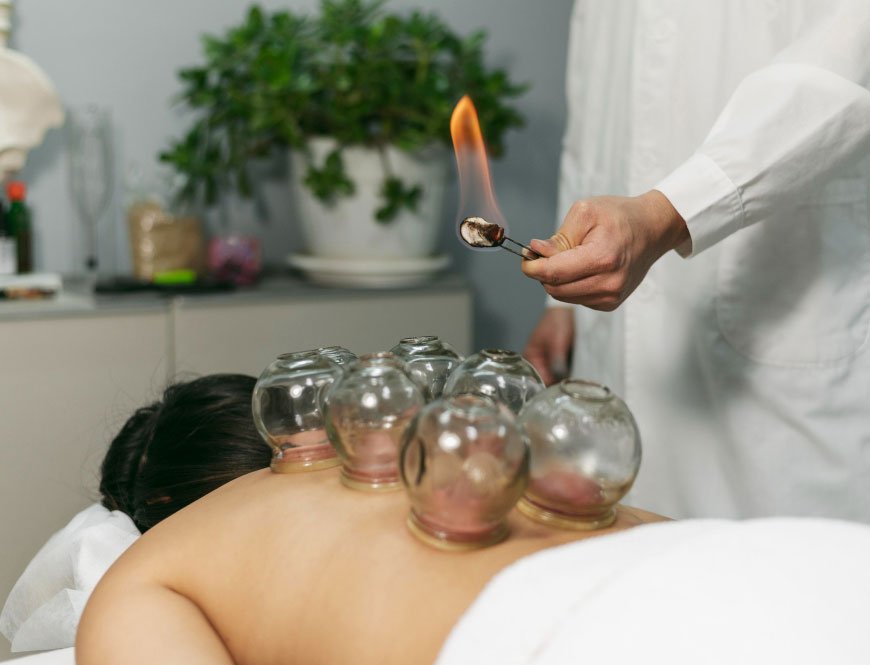
- Dry Cupping: The therapist applies the cups to the skin. In traditional dry cupping, a vacuum is created inside the cup using heat (fire cupping) or a mechanical pump. The vacuum pulls the skin into the cup, creating suction.
- Wet Cupping: Similar to dry cupping, but after the cups have been in place for a few minutes, they are removed, and small incisions are made on the skin. The cups are then reapplied to draw out a small amount of blood.
Duration and Adjustment: The cups are typically left in place for 5-15 minutes. The therapist may move the cups around (called “sliding cupping”) if they are using oil to allow for smoother movement. They will monitor the client’s comfort and adjust the suction if necessary.
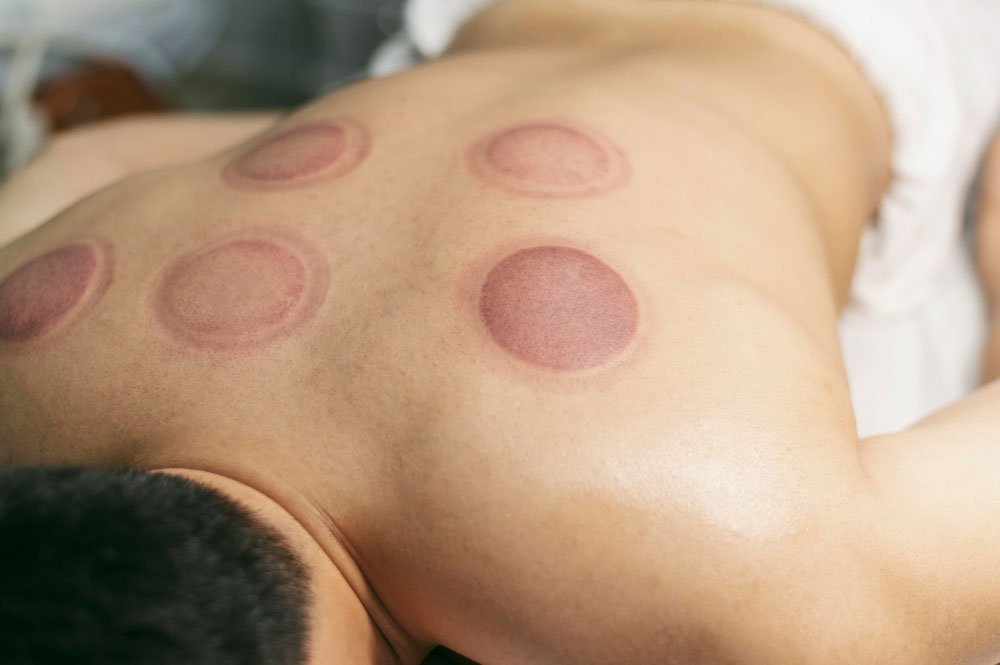
Removal of Cups: The therapist gently removes the cups by releasing the suction. This might leave circular marks or bruises on the skin, which are usually painless and fade within a few days.
Aftercare: The therapist may apply soothing lotion or oil to the treated area. They will also provide aftercare instructions, which might include keeping the area warm, avoiding exposure to cold, and drinking plenty of water to help with detoxification.
Conclusion: The session concludes with the therapist ensuring the client feels comfortable and answering any questions they may have. The client can then get dressed and go about their day, ideally taking it easy to maximise the benefits of the therapy.
FAQ: Cupping Therapy in Cork
Cupping therapy is an ancient form of alternative medicine where cups are placed on the skin to create suction. This is believed to improve blood flow, reduce muscle tension, and promote healing.
Cupping therapy can help with pain relief, improved circulation, and relaxation. It is particularly effective for chronic pain in the back, neck, and shoulders, and can also aid in detoxifying body tissues.
A typical cupping session lasts between 5 to 20 minutes.
When performed by a trained and experienced practitioner, cupping therapy is generally safe. However, it’s important to discuss any underlying health conditions with your practitioner beforehand.
During a session, cups are applied to your skin to create suction. This may cause a slight pulling sensation. Cups may be left in place or moved around. After removal, you may have circular marks or bruises that fade within a few days.
Wear loose, comfortable clothing and stay hydrated. Inform your practitioner about any health concerns or medications you are taking.